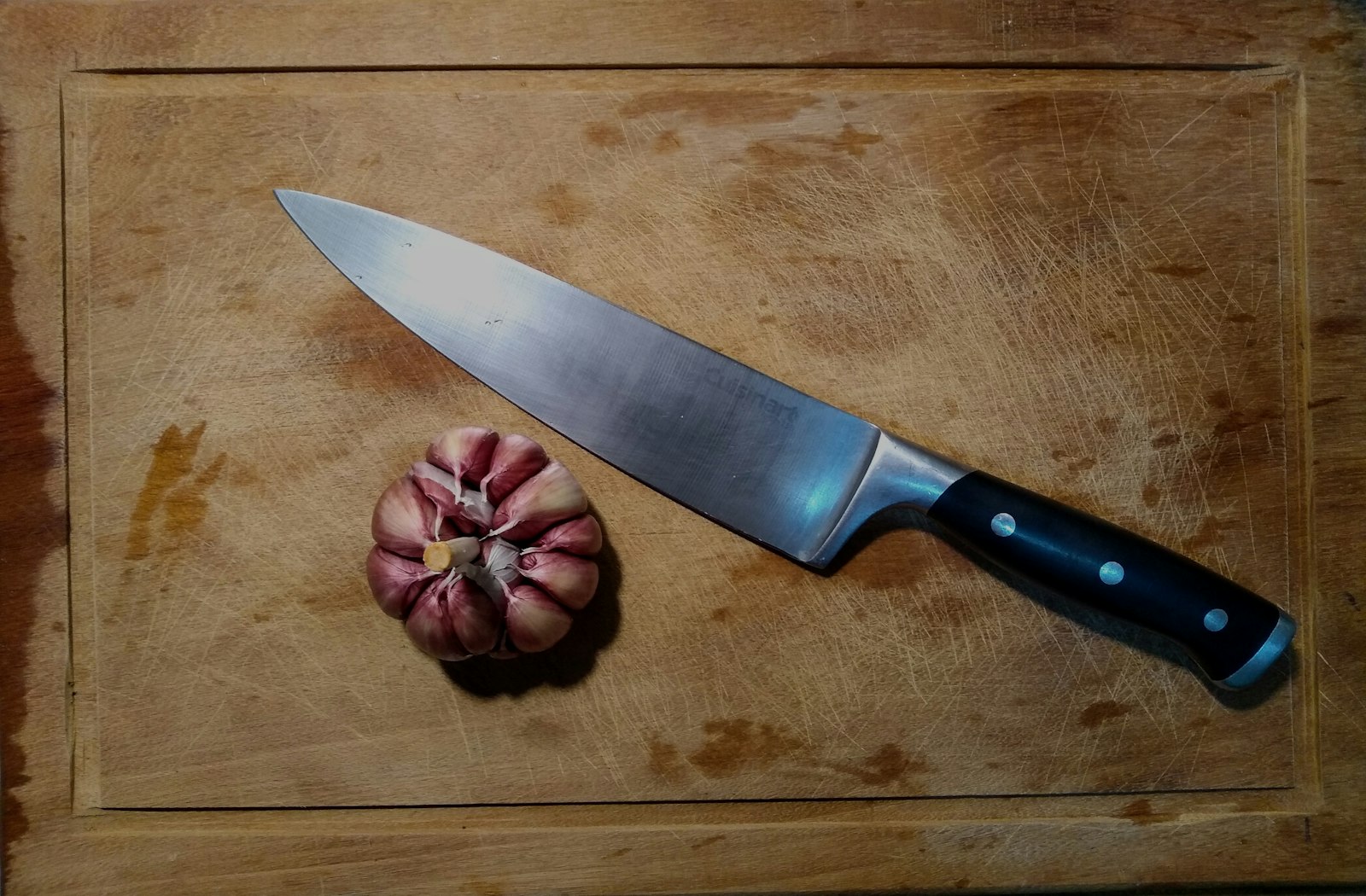
No. 047
The Hollow Chef · 8″
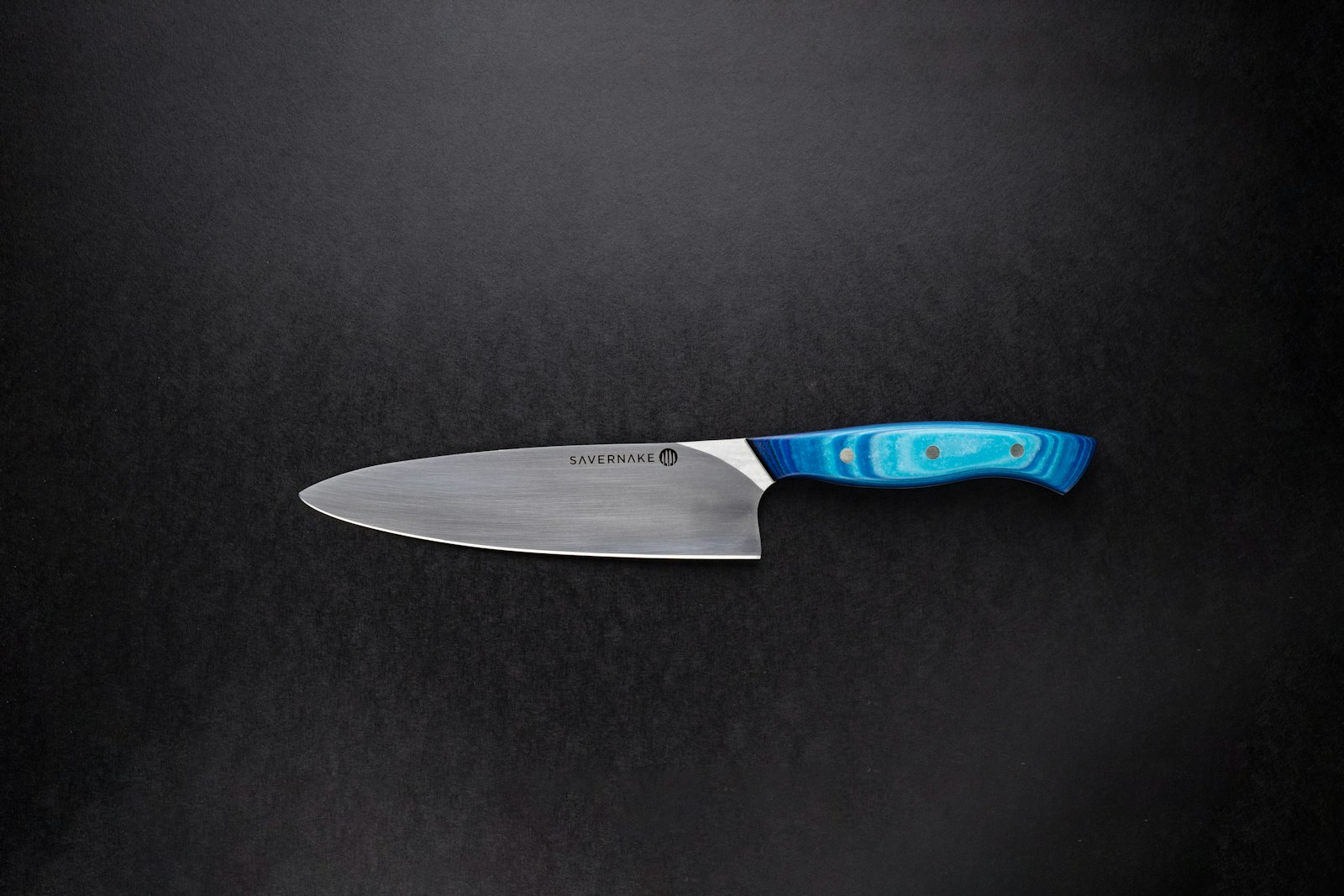
A working chef knife with a flat-belly grind and a forge finish along the spine. Takes a hair-popping edge in three passes on a fine stone.
Available
$420
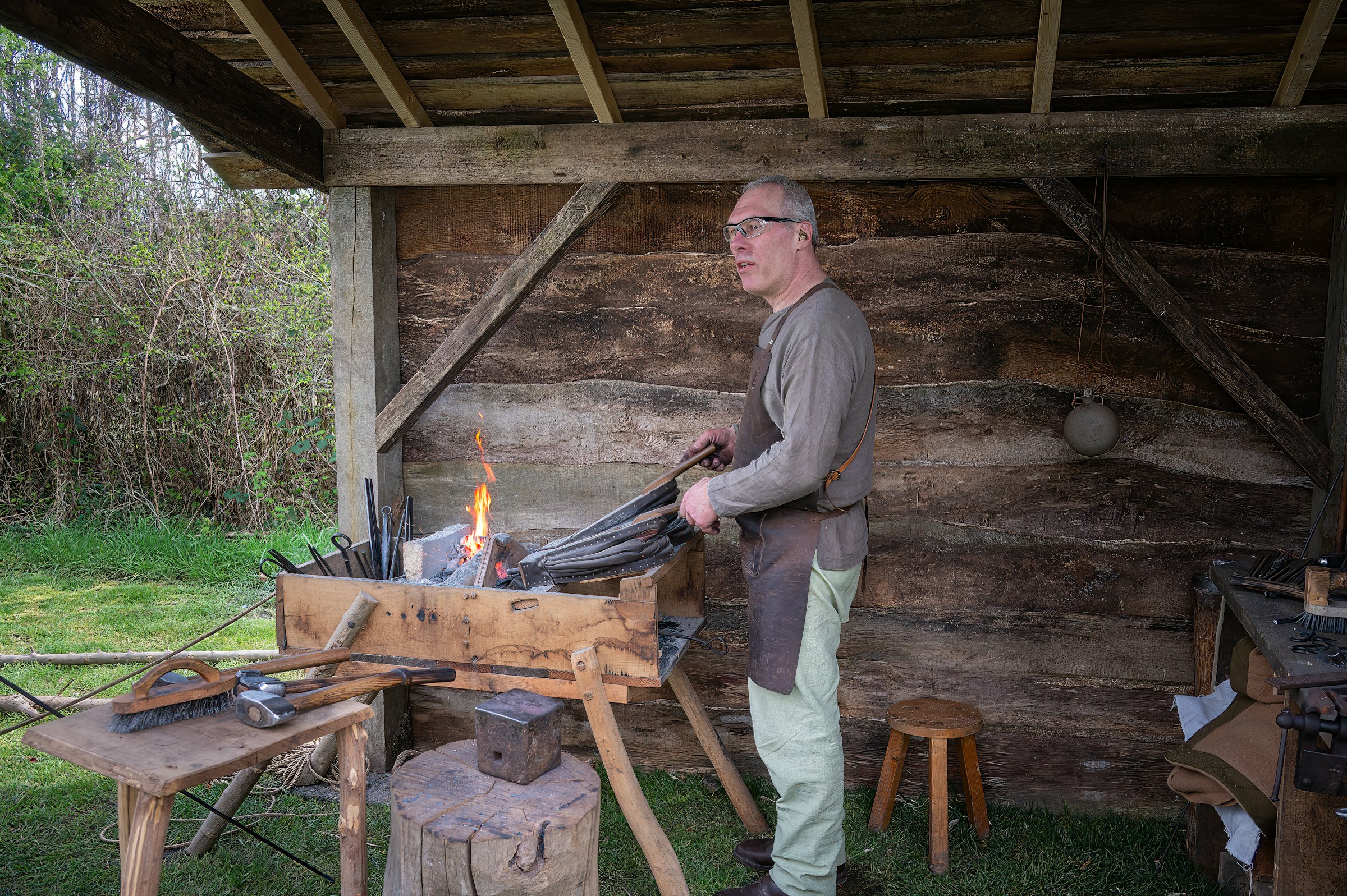
No. 01 — The Forge
A one-man forge tucked back in the Cherokee National Forest. Every blade is drawn out by hammer, quenched in oil, and finished by the same pair of hands.
scroll ↓
No. 02 — Current Work
Inventory turns slowly. A piece is listed only when it leaves the grinder, and it ships when it ships.
No. 047
A working chef knife with a flat-belly grind and a forge finish along the spine. Takes a hair-popping edge in three passes on a fine stone.
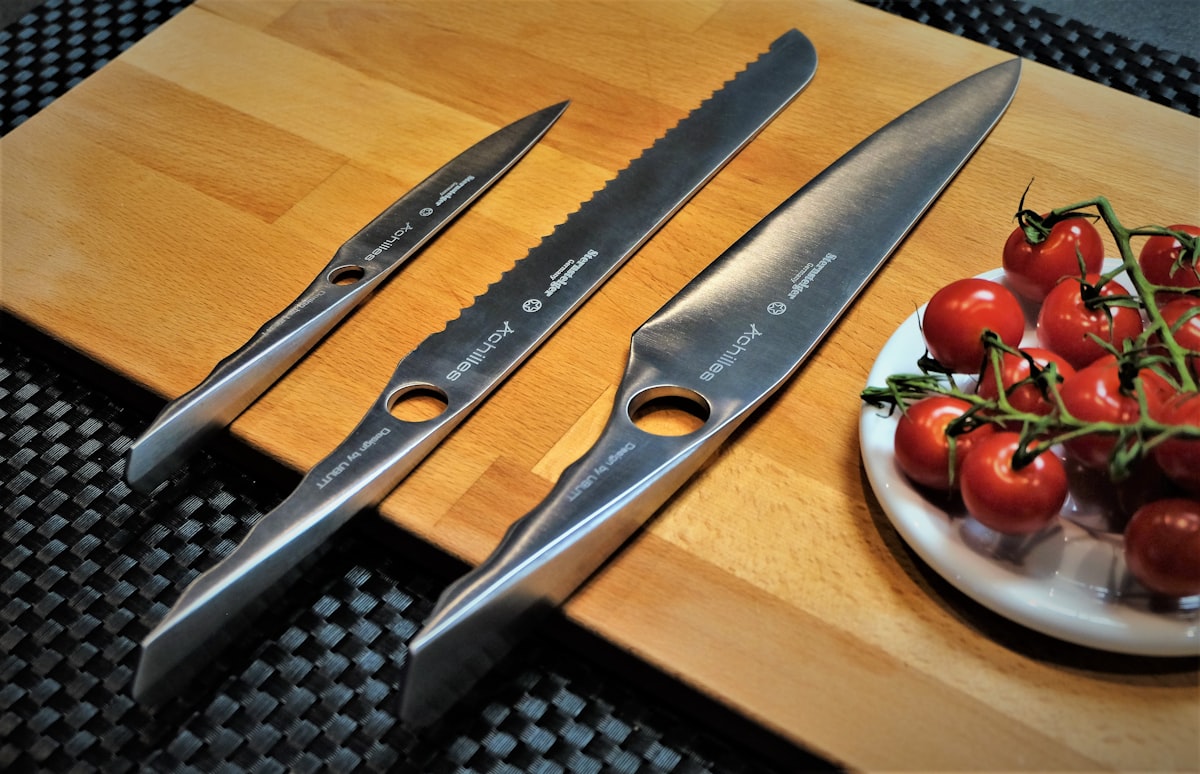
No. 048
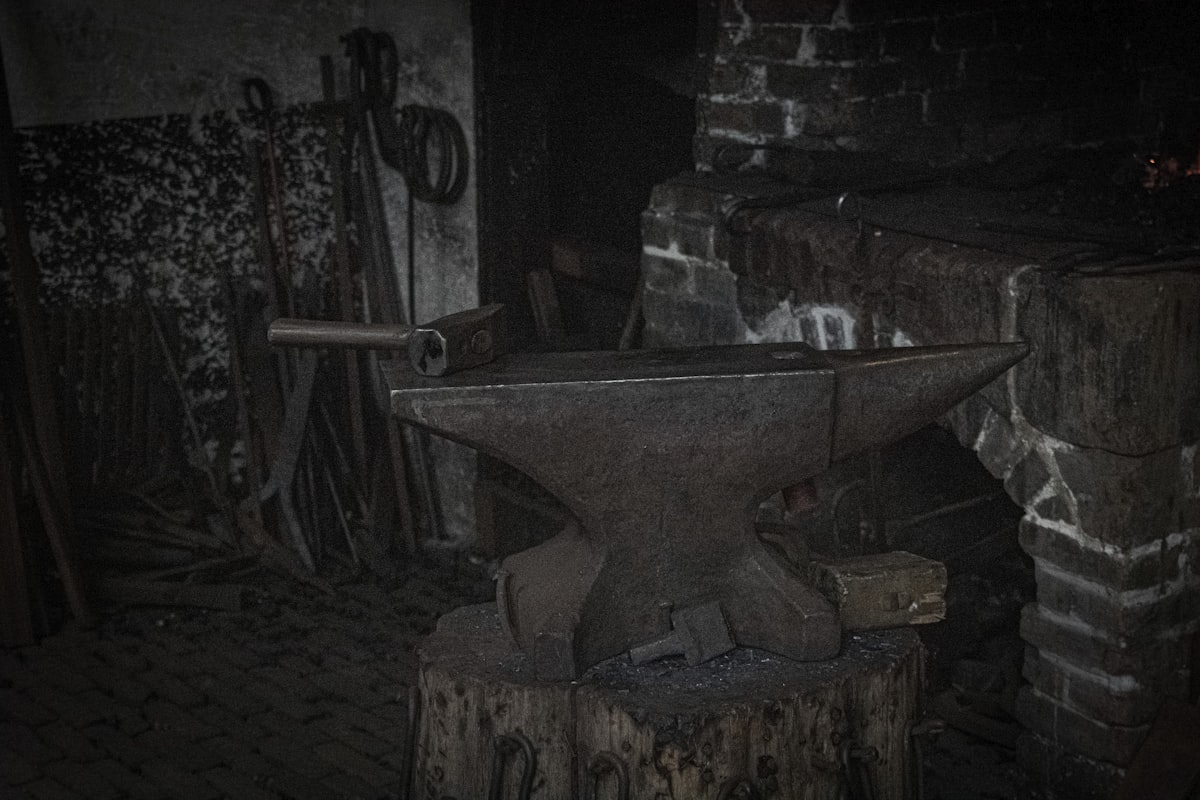
No. 011
No. 049
A vegetable cleaver with a paper-thin grind. The kind of knife that makes you cook more than you used to.
No. 050
No. 051
No. 03 — From Bar Stock to Edge
I work mostly in 1084, 15N20, and 52100 — proven high-carbon steels that take an edge and stay there. Some pieces use recycled leaf springs from old American trucks.
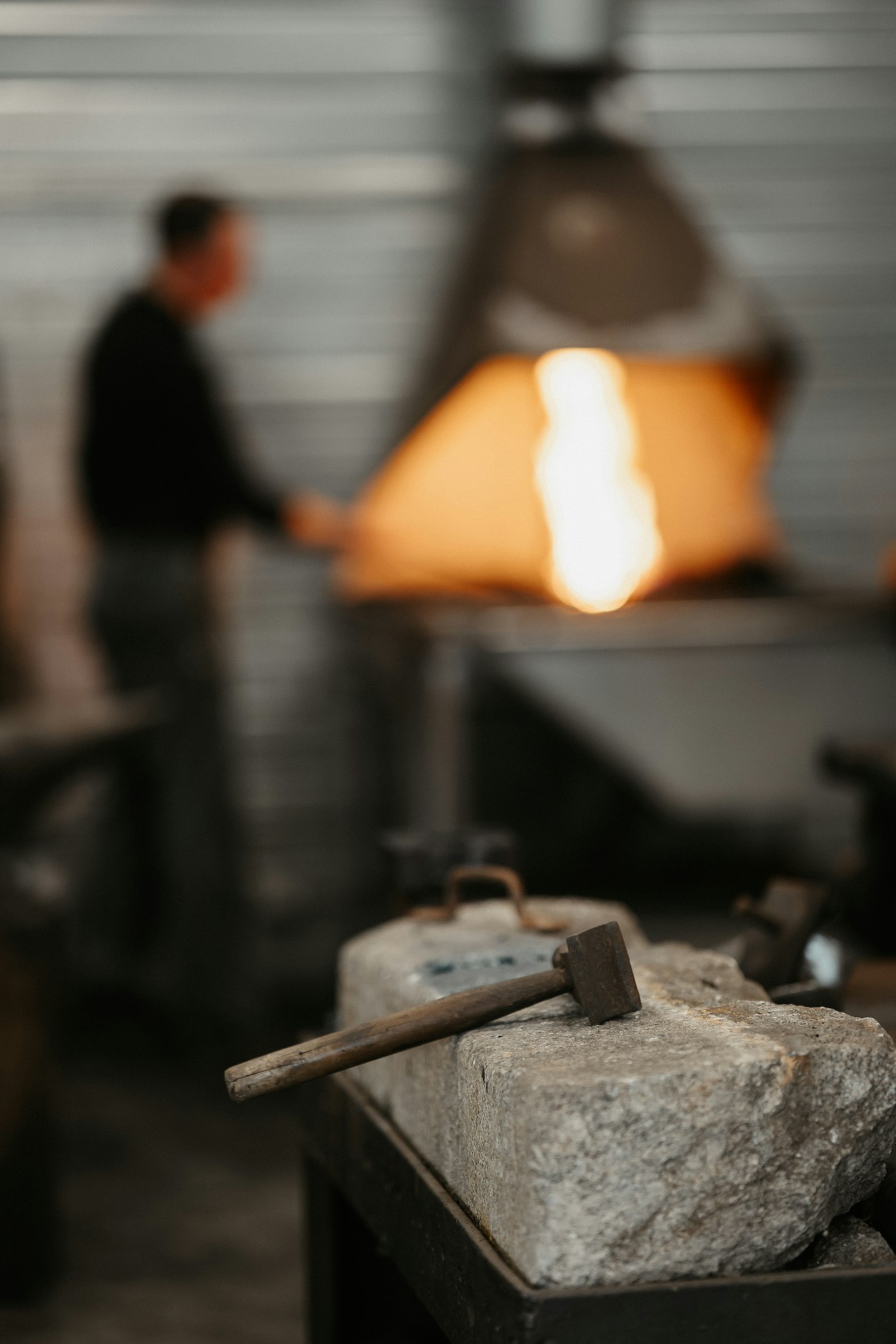
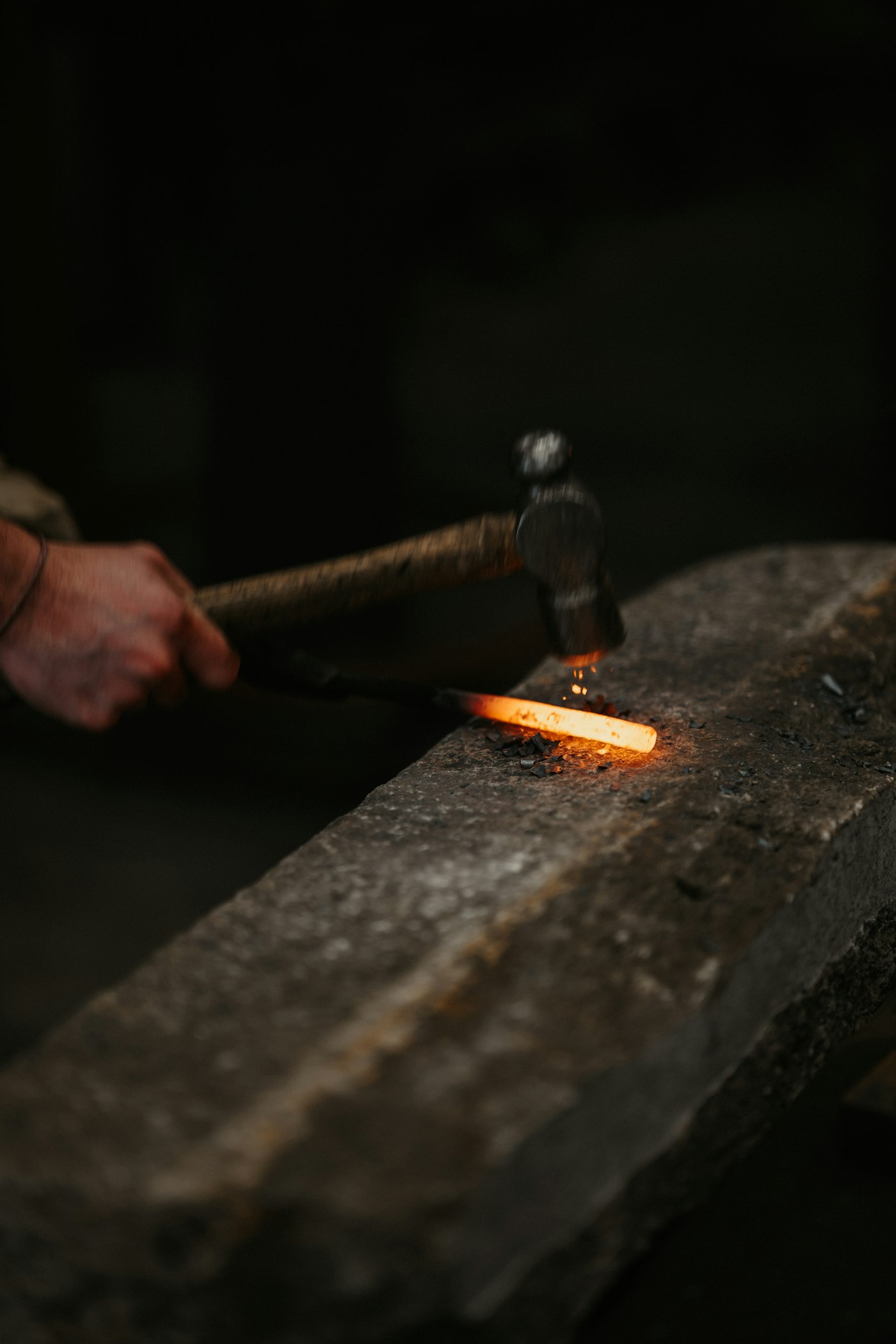
The bar goes into the propane forge until it glows that exact orange-yellow you only learn by eye. Then the hammer does its work.
Three normalizing cycles to relieve stress, then quench in 130° canola. Hardens to roughly 62 HRC, then comes back into temper at 400° for two hours.
Belt grinder takes the bevels down to 0.015″ at the edge. Hand-sand to 800 grit on the flats, leave the forge finish along the spine.
I cut my own scales — local cherry, walnut, hickory, or stabilized burl from a Tennessee turner. Pinned, epoxied, then shaped to your hand.
Final edge on water stones to 2000 grit. Maker's mark stamped at the ricasso. Then I sign the back of the certificate and ship it in a leather sheath I sewed myself.
No. 04 — The Smith
My grandfather kept a coal forge in a tin-roof shed behind his place outside Englewood. He used it to fix farm gear — wagon hardware, plow points, hinges for the smokehouse — and he let me strike for him when I was eight years old.
I came back to it in my twenties. Bought a used anvil off a man in Sweetwater, built a propane forge out of a freon tank, and started ruining steel until I stopped ruining it.
Iron Hollow has been my full-time work since 2019. About sixty blades a year. I'm the only person who touches them. There is no shop staff, no apprentice, no production line — just one guy, one anvil, and the slow work of doing it right.
— Wade
No. 05 — Custom Work
The list is open. Lead time is currently 14–18 weeks from deposit to shipment. I take six commissions a quarter and that is the honest cap.